



Photo:
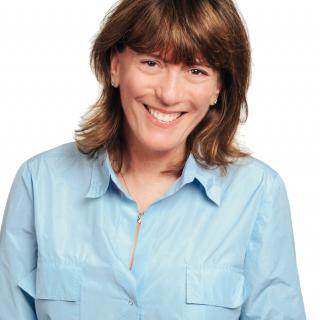
Beth Knox at Lumen Field. Photo: courtesy of Jordan Somers/Converge Media
In a city where sports are woven into our civic identity, Beth Knox stands at the center of the action. Her early career began in Seattle’s cultural engine — first with One Reel, the producers of Bumbershoot, and later with Seafair, where she would rise to lead one of the city’s most iconic civic celebrations. Those formative years producing large-scale festivals and community events shaped the steady, strategic leader she is today.
From championship parades to the rise of professional women’s sports, Knox has helped orchestrate some of Seattle’s most unforgettable moments.
But her power extends far beyond logistics. As a mother of adult twins and a values-driven leader, Knox brings heart, inclusivity and resilience to everything she touches. In this conversation, she reflects on civic pride, raising boys who understand community and what she hopes Seattle girls believe is possible.
Seattle has experienced extraordinary sports highs from Super Bowl celebrations to Olympic gold. What do those moments feel like to you personally?
For the Seahawks’ Super Bowl parade, I was part of the lead team preparing for the possibility of a win. To anticipate that and then execute once it happened was such a privilege. Being in the middle of that celebration, seeing the joy on the players’ faces and watching the city come together as a true partner was an honor.
Watching the U.S. women’s hockey team win Olympic gold was exhilarating in a different way. When Hilary Knight scored that incredible between-the-legs goal, I went nuts. It made me so proud that she’s a member of our team, a captain, leading on the world stage. It was unforgettable.
You’re the mother of twins. What has raising twins taught you about leadership and teamwork?
It’s tempting to approach twins as if they’re at the same place at the same time, but they’re not. They’re two completely separate individuals with different needs. Learning to adapt to their individual journeys while maintaining a cohesive family unit mirrors exactly how teams function.
Every player is at a different place. A good leader recognizes that, meets people where they are and still builds cohesion. Raising twins sharpened my multitasking skills, but more importantly, it deepened my understanding of individuality within the community.
You’ve brought your sons into Seattle’s event world from a young age. Why was that important?
From early on, they were running around Pier 62 during summer concerts and spending time at Seattle Center during Bumbershoot. As they got older, they volunteered sometimes enthusiastically, sometimes because I “voluntold” them!
It mattered to me that they understood what it means to be part of something bigger than themselves. Helping with event setup, supporting fundraisers, those experiences build ownership, humility and pride in the community.
When you watch women’s teams compete, especially here in Seattle, what stands out to you?
Women’s teams often treat each other like family. That core unit mentality is powerful. Players come from different states or countries and still build deep cohesion. That takes intention and inclusivity.
Seattle is uniquely positioned — we’re the only city with professional teams in the WNBA, NWSL and PWHL. That visibility matters. Young girls can look at the ice, the field, the court and think, “That could be me.”
Seattle fans are famously loyal, rain and all. What does that say about our city?
Seattle fans don’t care about the weather. They care about showing up. We’re not fair-weather fans, and that reflects something deeper about this city; resilience, commitment, civic pride.
Sports here aren’t just entertainment. They’re community rituals. They bring us together.
After this season of championships and global spotlight, what is your hope for the next generation of Seattle girls?
I hope they see strength and confidence, not just in winning but in being part of a team. Even if they’re not the star. Even if they’re not the strongest athlete.
The lessons learned through sports such as resilience, belonging and accountability last far beyond the game. I want girls to stick with it through the highs and lows and know they are capable of more than they imagine.
As Seattle prepares for FIFA World Cup 2026, what’s your best advice for parents who want to help their kids experience the excitement in an age-appropriate and meaningful way?
My advice is to use the Seattle FIFA World Cup 26 events calendar to find activities that match your child’s age, interests and preferred location. The calendar is filling up with watch parties, mini-pitch matches and other fun celebrations, so check back often. And don’t avoid the big gathering spots like Seattle Center, the Waterfront, Westlake Park, Chinatown International District or Pioneer Square. A huge part of the joy of the World Cup is being around visitors from all over the world. You don’t even have to be a soccer fan to feel the magic of a global community coming together.