Seattle Family Calendar
 Subscribe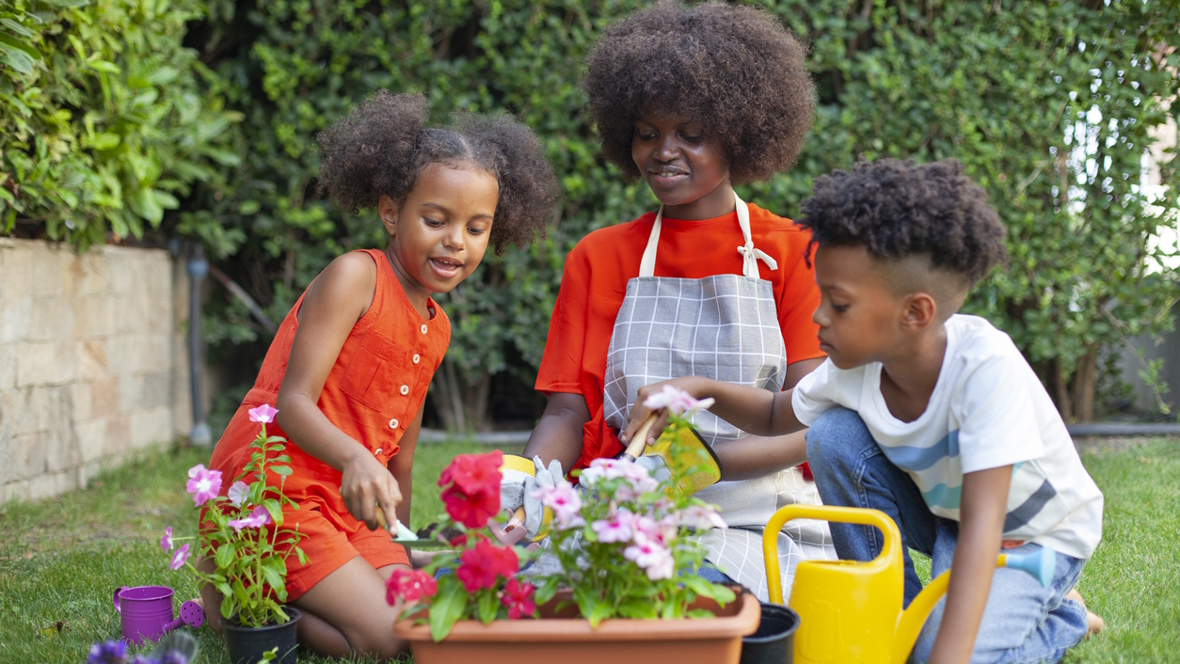

My little urban farm is situated on a 4,000-square-foot lot in the heart of Seattle. In the 2,500 square feet that are not taken up by my house, I’ve made it my mission to grow as much food as I can, from fruits and vegetables to herbs and pollinator-friendly plants.
Since space is an issue, I don’t often grow something just because it’s beautiful. I look for hardworking plants that earn their keep by doing double duty, and that’s exactly why I love edible flowers. These beautiful blooms brighten up the garden, attract bees and other beneficial pollinators and can also be used in salads, desserts, drinks and summer recipes.
All of these beauties can be sown from seed, so they are as easy on the budget as they are on the eye. And pollinators love these edible flowers as much as I do! If you’re looking for practical flowers for a small-space garden or backyard vegetable patch, these varieties deliver color, flavor and function all season long.
Arugula

Why: Yes, I realize that arugula is mostly enjoyed for its leaves and the peppery bite it adds to salads, but did you know that you can eat its delicate white flowers? They taste just like, well, arugula! The arugula flower is a fancy addition to a salad, but is also a sign that the plant is going to seed, which means you’ll get a fresh crop of arugula again next year.
When and where: Plant arugula in a spot where it can self-sow and grow again. Arugula, like lettuce, can tolerate a little shade and can be direct-sown (the seeds can be sown right into the soil outdoors) throughout March and April. (Buy arugula seeds.)
Violas (a.k.a. Johnny jump ups)

Why: Violas are not only adorable self-sowers, but most varieties are edible. Dress up a salad or garnish an omelet or soup with its petals.
When and where: Viola seeds can be direct-sown outdoors throughout March. The seeds can take up to two weeks to germinate, so be sure to keep the seed bed moist. (Buy viola seeds.)
Calendula (a.k.a. pot marigolds)

Why: Calendula flowers are beautiful, daisy-like bloomers in striking yellow-orange hues. Their seeds are large, making them easier for kids to plant. Easy to grow and prolific, the culinary flowers of the calendula plant also boast medicinal qualities and are commonly used to soothe wounds, rashes, infection, inflammation and other conditions. Calendula petals are lovely on a salad and can also be dried, ground and used as a substitute for saffron.
When and where: The calendula thrives in full sun and is a self-sowing perennial flower. Saving calendula seeds for future planting is easy! Once the flower loses its petals, a seed head forms on the stem. Let the seeds dry and either fall naturally back into the soil or snap the seed head off and save the seeds to be planted the following spring. Calendula seeds can be planted in late March or as late as June for early fall blooms. (Buy calendula seeds.)
Chives

Why: Again, chives are not the first things that come to mind when you think of flowers, but their blossoms are beautiful and edible. Chives will come back year after year if you let them.
When and where: Plant chives in a spot where they will get partial to full sun. You can start chive seeds indoors to transplant or direct-sow them outside throughout April and May.
Every part of the nasturtium plant is edible. Photo: iStockGarden-to-table tip: Add bold, purple chive blossoms to salads or soups as an oniony garnish. (Buy chives seeds.)
Nasturtiums

Why: Nasturtiums are super-easy for little hands to sow, and most kids will love watching big bumblebees immerse themselves inside the deep nasturtium blossoms, as if searching for buried treasure. Hummingbirds love these flowers, too. Every part of the nasturtium plant is edible — leaves, flowers and seeds. Aphids also love to eat them, which can be a nuisance, since once they arrive, they quickly take over the entire plant. However, some gardeners plant nasturtiums as a decoy to protect other plants that aphids love. Lovely, edible and practical!
When and where: Nasturtiums will self-sow and come back season after season, but if you’re planting for the first time, pick a sunny, well-draining spot in your garden. Nasturtium seeds can be sown April through June. (Buy nasturtium seeds.)
Garden-to-table tip: Besides providing a dramatic and peppery garnish in a salad, colorful nasturtium blossoms can make a bright-tasting, orange-tinted vinegar. Put about a cup of loosely packed nasturtium flowers in a clean pint jar, fill the jar all the way to the top with white wine vinegar to completely cover the blossoms and then put the jar in a cool, dark place for three weeks. Strain out the petals and then mix the vinegar with olive oil to make a delicious homemade nasturtium vinaigrette.
Zinnias and sunflowers

Why: Zinnia and sunflower seeds are big, easy-to-sow seeds — great for planting with kids. Both are nectar-producing flowers with large pollen-filled centers that pollinators love. When buying seeds, try to buy heirloom varieties and watch out for words on the seed packets such as doubles, double blooms and pollenless, which are flower varieties that beneficial insects can’t access.
When and where: These flowers will thrive in full sun (at least six hours a day). Plant the seeds May through June. Cutting the zinnia blooms for bouquets throughout the season will actually promote continued growth, as will deadheading, or removing spent blooms. (Buy zinnia and sunflower seeds.)
Daisies

Why: Such a classic, charming flower! Daisies are perennials — get them started one summer and they’ll be a prolific bloomer for years to come. Daisies are laden with pollen and will attract lots of bees into your garden. They are easy to maintain and look beautiful in a summer bouquet.
When and where: Start daisies from seed in June through early July, when the soil temperature is high enough to promote good germination. Just be sure to keep the seed bed moist. Daisies, like most of the flowers on this list, enjoy full sun. However, I’ve planted several daisies in my partially shady side yard with great success! (Buy daisy seeds.)
Flowers can be more than just for show, and once you start eating the tasty ones, you’ll want even more edible blooms in your backyard. Your neighborhood pollinators will, too!
Editor’s note: This article was first published several years ago and was updated most recently on June 4, 2026, with a thorough fact-check by ParentMap’s content editor, Kari Hanson. This article contains affiliate links. If you purchase products through links on our site, ParentMap may earn an affiliate commission.