Seattle Family Calendar
 Subscribe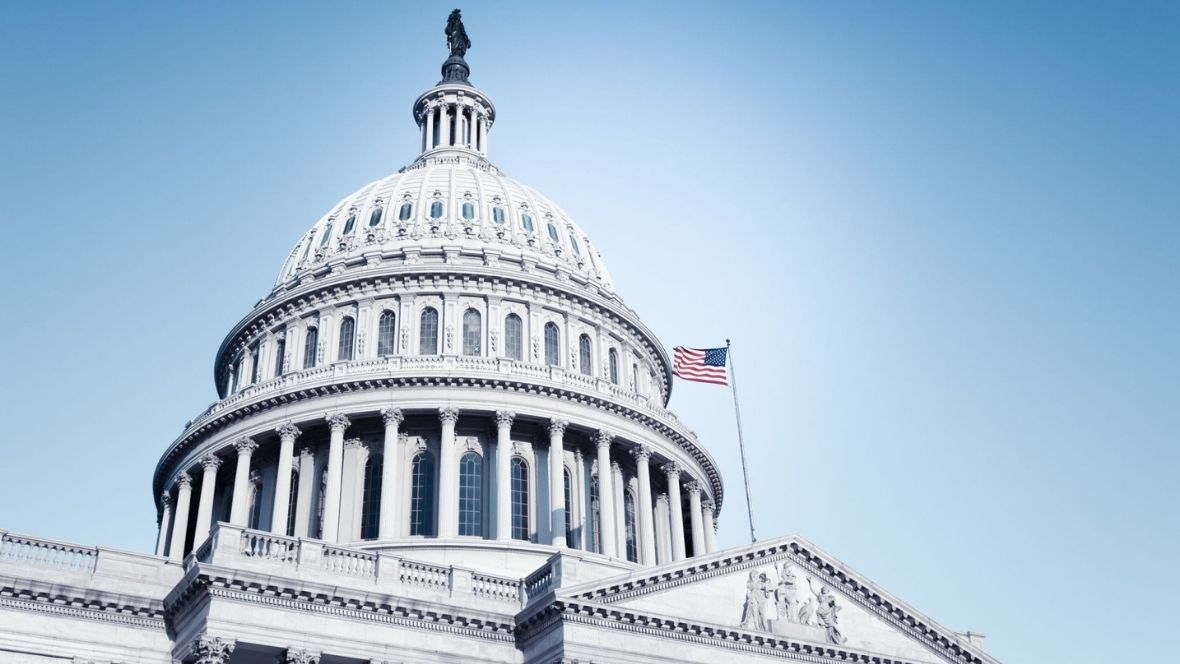

ParentMap publishes articles, op-eds and essays by people from all walks of life. The opinions expressed in their articles are their own and are not endorsed by ParentMap.
As parents, many of us know the struggle of regulating screen time for our kids. The way all of us engage in the world is increasingly online, and with access to devices at school and at home, it can be difficult to monitor how our children are navigating the internet. Parents are up against a formidable opponent in the screen time battle: Big Tech.
Operators of addictive online platforms like social media use intentional design practices to keep kids online for as long as possible. This is part of their business model. The more time users spend online, the more money these companies make, and that profit takes priority over the well-being of our children. The overwhelming consensus among researchers is that increased use of social media is associated with increased symptoms of anxiety, depression and “psychological distress.” Yet, despite this evidence, the companies operating these platforms refuse to make meaningful changes to protect minor users.
The KIDS Act is not the solution
Congressional Republicans recently introduced H.R. 7757 or the Kids Internet and Digital Safety Act (KIDS Act). On its surface, this appears to be an attempt to address some of the harms children and youth experience as a result of their engagement with addictive online platforms and artificial intelligence. But when we dig a little deeper, it becomes apparent that the bill is actually a cover for Big Tech.
The KIDS Act is incredibly broad in scope, covering a swath of policy concerns from online obscenity to online gaming and AI chatbots. Additionally, the act would preempt conflicting state laws; in other words, it would limit or replace state laws on the same topics. In doing so, it would eliminate meaningful progress that states like Washington have already fought to achieve. This is particularly concerning given the Trump administration’s pursuit of deregulation and technological innovation.
The bill also lacks meaningful duty of care requirements. Duty of care pertains to the legal obligation of a company to act with caution and consideration to avoid causing harm to its customers or users. Without established duty of care obligations, operators of these platforms would be absolved of any responsibility to design their products to prioritize the safety of young users.
The KIDS Act also requires that companies have “actual knowledge” of the harms their products cause in order for them to be held liable. This creates a high burden of proof for the victims of harm caused by engagement with online platforms and would be difficult to prove in court, giving parents limited recourse if their children are harmed by these platforms or products.
While the bill does include some restrictions on tech companies conducting market research on minor users, there are loopholes baked in that would allow them to use personal data to evaluate the performance of ads. Furthermore, although the bill includes some AI safety regulations, it exempts any tech products that use AI chatbots as long as they can argue the chatbot is not the main purpose of the platform.
These loopholes and exemptions would make it far too easy for Big Tech to work around regulations and avoid accountability.
Washington and other states are already making meaningful progress
States including Washington have passed, and continue to work on, meaningful legislation to address youth safety online. For the past two years, Children’s Alliance has partnered with the Washington state attorney general’s office to advance House Bill 1834/Senate Bill 5708, designed to regulate addictive online platforms and support the behavioral health of youth in our digital world. While this legislation has not yet passed, significant progress was made this year in building support and momentum in the legislature.
One of the bills that did pass during the 2026 legislative session was House Bill 2225. This bill requires operators of AI companion chatbots to provide clear notifications and safeguards for minors, and put protocols in place for identifying and responding to signs of self-harm.
State attorneys general have also led the charge to hold large tech corporations accountable for the harm their products have caused. Earlier this year, a jury siding with the New Mexico Attorney General found Meta liable for violating the state’s laws and misleading consumers about the safety of its platforms and endangering children.
Tell congressional representatives that our kids deserve better
The KIDS Act may make it more difficult for states to hold tech companies accountable for the harms they are causing children and youth. Over 40 attorneys general, including Washington state Attorney General Nick Brown, sent a letter to Congress opposing the bill last month, and insisting states maintain their authority for this very reason.
There is no doubt that Big Tech needs to be held accountable for the harms caused by their products. The federal government has a part to play, but the KIDS Act fails to meaningfully protect children and only serves to make future policy solutions more difficult to legislate and enforce.
If you want to see real action to ensure online safety for kids, send an email to your congressional representative and ask them to oppose the KIDS Act.
The Launch Pad: Your Guide to the Tween + Teen Years
For the parents navigating eye rolls, growing independence, social pressures and everything in between. Get expert advice and real-world support in ParentMap’s new monthly newsletter just for parents of tweens and teens.