Seattle Family Calendar
 Subscribe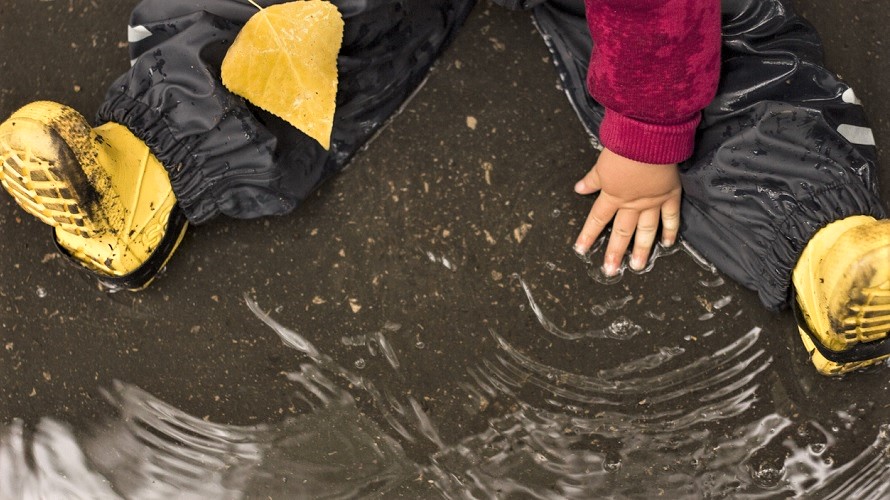

Great reasons to play outside in any weather
It’s easy to equate our Pacific Northwest dreary season with frizzy hair, soggy leaves and too much time spent cooped up indoors with stir-crazy kids.
But while parents may look outside and see a muddy yard and dour skies, for a child, a rainy day offers a novel way to explore a familiar landscape. Nature in any season provides enlivening experiences — and, correspondingly, kids seem to naturally understand that time spent outside can bring us to our senses.
Here we’ve gathered up some creative ways to encourage your family to unplug from screens, get outside and explore their immediate environment this season.
First up: play station
Rain, rain, come and play

According to famous Danish landscape architect Carl Theodor Sorensen, “Children are happiest when playing with junk.” Any parent who has witnessed the hours of play generated by an empty appliance box can attest to this truism.
Put junk to great use outside by helping kids make a vertical water wall, like this one from the blog Pre-School Play, to explore the physics of water. Attach plastic containers, bottles and tubes to a wall or railing to create a course for water to flow through. (You can drill these objects in, secure them with zip ties and chicken wire, or just use string and nails.) Then start experimenting: Add food coloring to see what happens when colors are mixed together. Track the rainfall by measuring the amount of rain in each bottle. Explore how water levels change with the shape of each container. The possibilities are endless.
For a fun twist on the water wall, use old gutters or halved PVC pipes to create a gutter course, such as this one from Frugal Fun for Boys and Girls. Prop a section of gutter over lawn chairs, bricks or rocks; add leaves or small toys and make a race out of it.
Next up: a hoot-a-what?
Have a hootenanny

Hang up muffin tins, old pots and their lids to make an outdoor instrument amphitheater, like this music wall idea from Pre-K + K Sharing. More ideas: Fill bottles with beans to make a rattle. Collect some sticks or use kitchen utensils to bang on pans. The sound of raindrops falling onto pots and bottles will complement your kiddie cacophony.
Next up: a mud bath
Get muddy!

While summer sandboxes can become litter boxes for neighborhood animals as the drizzle rolls in, mud is the perfect rainy-season medium to inspire endless creativity. To make a mud pit, simply fill a plastic storage bin or a plastic, lidded sandbox with pesticide-free topsoil and let the rain do its magic. Or try this sensory mud play tray idea from The Imagination Tree blog.
As the mud dries and rehydrates, kids can experiment with an array of textures and explore the laws of physics. Pop the lid back on when the bin is not in use to keep the mud “clean” and free of bugs and other contaminants. Of course, kids will also love just the regular old mud puddles they find at the park.
If mud is too messy for your liking, rice- or bean-filled sensory bins (tip: use an airtight container) are a more sanitary sandbox substitute for whiling away the rainy months.
Next up: crawly critters
Investigate bugs and worms

A fun project for your budding entomologist is creating a bug hotel or worm farm. Dead wood is the perfect condo for beetles and their larvae; decaying leaves or hay provide an ideal environment for invertebrates; and centipedes, spiders, wood lice and beetles thrive in loose bark. You can find fancy bug hotel plans on blogs such as Garden Therapy, or you can gather some rotting wood or wet leaves from around your neighborhood and set up a bug corner in your yard.
Worm bins simply require compost, a lidded, ventilated container of some sort, a starter crop of red wiggler worms (found at most pet stores) and a steady supply of kitchen scraps. Seattle Tilth offers a free worm bin resource on its website.
Kids can bury compost in the worm bin as an ongoing task, exploring the different stages of decomposition and worm population.
Next up: a secret hideaway
Secret kid hideouts

When I was a child, my grandpa built a tree house at his cabin for my brother and me. It was just a small platform, but I still remember the peacefulness and wonder I felt sitting high above the ground in a place made just for us.
If you are handy with a hammer, you can build a pallet playhouse from reclaimed materials, such as this one from Built by Kids. An outdoor reading nook can be the perfect place for a young bookworm to listen to the pitter-patter of the rain while cozying up beneath a favorite blanket. With the added touch of a tarp stapled to the roof to make it watertight, it becomes a perfect outdoor refuge for the rainy season.
Another easy option is to break out your camping gear. Pull out the sleeping bags and flashlights and have a backyard campout. You’d be hard-pressed to find a Pacific Northwest native who isn’t accustomed to camping in the rain. Break in your whippersnappers while they’re young!
Gardeners can create an aesthetically pleasing addition to their garden that also serves as a fort by building a garden hideout; check out the site Dengarden for ideas on building a willow dome or other hideaway dens for kids, made from sticks and interwoven branches. Climbing plants grow over the structure, creating a lush space curtained by greenery and flowers. Organic structures like this are easy and affordable to create, requiring only twine, branches and a little patience. They may not keep the rain completely out, but creeping plants do well in rainy climates, so these shelters will be especially lush in our wettest months.
Next up: impressionist art
Make an impression with rain art

The blog Housing a Forest offers up great ideas for working with the drizzle to make colorful works of art. Place dots of food coloring or bits of powdered paint onto pieces of paper or paper plates and set them outside. Watch as raindrops splatter onto your improvised canvases and render them bright, colorful and unique pieces of art. Hang to dry inside.
Next up: a bird in the bush
Look at the birds in the trees

Many species of birds thrive during the winter months in the Pacific Northwest — and, as a bonus, they’re also easier to spot, because of the bare-limbed winter trees. Put up a feeder outside, keep a bird guidebook at the ready and check out ParentMap’s guide to birding with kids.
For an all-around great resource for rainy-day fun, visit The National Wildlife Federation’s website, which is packed with ideas for designing your outdoor space to maximize exploration, as well as tips for gardening and nature adventures with kids.
The next time you find yourself listening to the drum of raindrops on your rooftop, just think of it as Mother Nature applauding you for all of the outdoor adventures you’ve planned. The murky brown bathwater at the end of each day of awesome rainy exploration will be well worth it.
More rainy-day adventures …
Editor’s note: This article was originally published a few years ago and updated most recently for winter 2023.